The future of Connected Business
Published: June 2018
Unveiling relationships between crime and property in England and Wales via density scale-adjusted metrics and network tools
Published: February 2018
Future-proofing Energy
Published: May 2017
Future-proofing Infrastructure
Published: May 2017
The Essential Guide to EU Import Tariffs 2016
Published: October 2016
Frugal Infrastructure: Doing More with Less
Published: June 2016
Towards Ultrafast Britain
Published: March 2016
Financing our future: infrastructure in an age of prolonged austerity
Published: October 2014
Crunch time for UK airport capacity
Published: June 2014 (Institute of Directors)
The New Road Ahead
Published: January 2014 (Institute of Directors)
Getting shale gas working
Published: May 2013 (Institute of Directors)
Co-authored with Corin Taylor
Will we ever run out of energy? The history and future of technological progress and energy supply
Published: December 2012 (Friedrich Naumann Stiftung fuer die Freiheit)
Britain’s Shale Gas Potential
Published: September 2012 (Institute of Directors – Infrastructure for Business Series)
Co-authored with Corin Taylor
BRITAIN’S NUCLEAR FUTURE
Published: June 2012 (Institute of Directors)
Co-authored with Corin Taylor and Professor Wade Allison
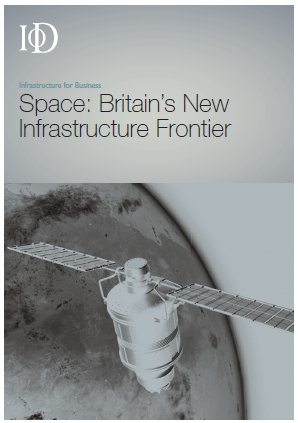
SPACE: BRITAIN’S NEW INFRASTRUCTURE FRONTIER
Published: May 2012
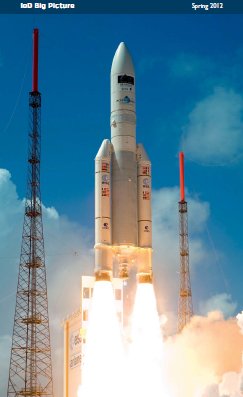
THE UK SPACE ECONOMY: THE PRESENT AND EXCITING FUTURE
Published: March 2012 (Institute of Directors)
ENERGY POLICY FOR A LESS AFFLUENT AGE
Published: December 2011 (Institute of Directors)
Co-authored with Corin Taylor

RETHINKING THE UNAFFORDABLE
Published: July 2011 (KPMG and Economic Policy Centre)
Co-authored with Nigel Hawkins, Mark Powell and Tom Harper.
THE £200 BILLION ENERGY INVESTMENT FANTASY
Published: Quarter 3, 2011 (Institute of Directors)

THE COMING GLOBAL GAS SUPERGLUT
Published: June 2011 (Institute of Directors)
RETHINKING TENNIS FOR THE BIG SOCIETY
Published: June 2011 (Economic Policy Centre)

SECURING OUR ENERGY FUTURE – Why and how it must be done
Published: December 2009 (Economic Policy Centre)
____________________________________________________________________
____________________________________________________________________
Europe is heading into the deepest recession of the post-war period but there is not yet a debate about how to curtail EU public expenditure on its quangos.
The Essential Guide to EU Quangos 2009 does this and more, by answering these questions of the 36 bodies;
What is their annual budget?
What do they spend on staff costsa and basic salaries?
What is their defined role?
Where are they located?
How many staff do they have?
Who is in charge and what nationality are they?
Do they duplicate existing public sector activity?
Do they crowd out private sector activity?
Could their role be competitively outsourced to the private sector?
Amongst other findings, the report also reveals which bodies have the largest budget, spend the most on staff, the rapid growth in agencies and makes policy recommendations for reform-minded EU policymakers.
____________________________________________________________________
The Digest of Energy Statistics 2008
Published: August 2008 (Economic Research Council)
By Dan Lewis and Nigel Hawkins
Most energy statistcs are meaningless – without a context. The Digest of Energy Statistics 2008 is the first annual report which includes – amongst its 27 tables – selected World and EU rankings on electricity consumption, energy reserves, electricity and gas prices, energy efficiency, carbon efficiency and the comparative cost of electricity generating technologies.
____________________________________________________________________
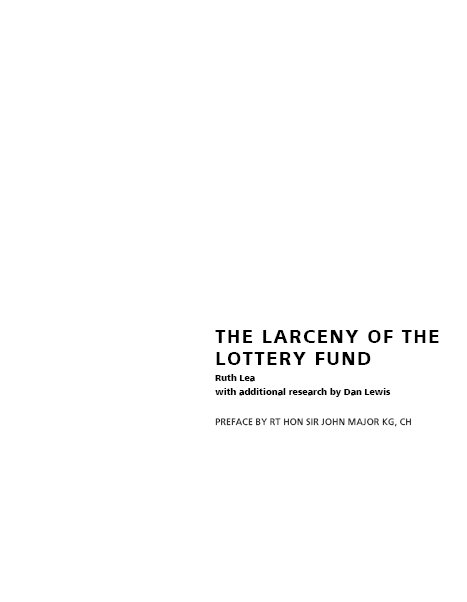
The Larceny of the Lottery Fund
Published: 2007 (Centre for Policy Studies)
By Ruth Lea and Dan Lewis, Preface by Rt Hon Sir John Major KG, CH
____________________________________________________________________
The Essential Guide to British Quangos 2005
Published: February 2005 (Centre for Policy Studies and Economic Research Council – Efficiency In Government Unit)
By Dan Lewis

The paper that started off the whole debate on quangos. Loved and hated by many, it was the most successful think tank paper of 2005. And five years on, I still get people asking me about it and even the occasional green ink letter !
____________________________________________________________________
RECHARGING THE NATION – The Challenge and Cost of Increasing Renewable Electricity Generation
Published: November 2003 (Economic Research Council)
By Dan Lewis
A vital and timely study of the costs and challenge of meeting 10% of electricity from renewable sources by 2010 and beyond. How do Solar, Wind, Water Power and Biomass measure up against each other? What can be done with Government Policy to make the 10% target more achievable? Dan Lewis cuts through the jargon and places the question of renewable energy in a larger economic and political context.
____________________________________________________________________